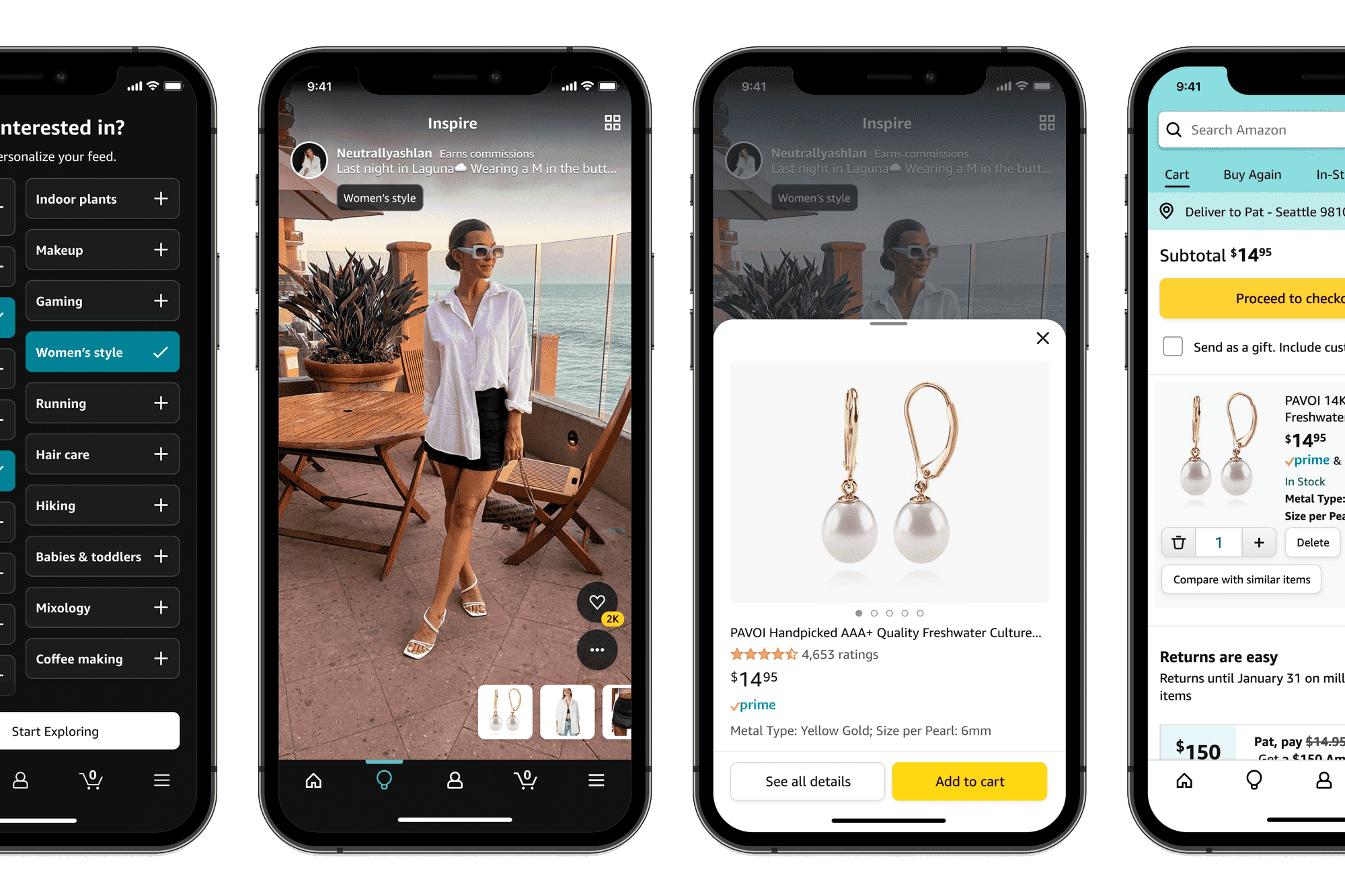


In today’s digital landscape, attention isn’t just a nice-to-have — it’s a currency. Brands are no longer simply competing with each other, but with everything that demands a user’s focus: social media, streaming platforms, endless notifications, and more. We’re living in the Attention Economy, where time and focus are among the most valuable — and limited — resources. And increasingly, consumers know it.So, what does this mean for marketers and digital creatives? It’s simple: if you want attention, you need to offer something meaningful in return.
The Shifting Value of Attention
Back in 2002, Thomas Davenport and John Beck introduced the concept of the Attention Economy, long before platforms like YouTube, Twitter, or TikTok redefined how we consume content. Their point — that human attention is finite — feels even more urgent today.
Fast forward to now, and traditional advertising methods are losing their grip. Most people can barely recall a banner ad or a product placement after they’ve seen it. According to research from Mintel, only 15% of consumers could remember a single digital ad they saw in the past month.
Why? Because attention is no longer freely given — it has to be earned.
Value Exchange: The New Standard
Consumers are becoming more selective. If they’re going to give you their time, they want a reward — and not just a discount. Entertainment, utility, or exclusivity are all viable currencies. For example:
-
Shopkick gives shoppers discounts for engaging with branded content.
-
Urban Outfitters incentives social sharing with access to exclusive perks through its On Youapp.
-
Tata DoCoMo in India lets users earn free talk time by watching mobile ads.
-
Vitaminwater created outdoor ads that doubled as phone-charging stations, delivering real utility to passersby.
The lesson? Campaigns that offer real, tangible value are more likely to win the fight for attention.
Advertising with Consent, Not Intrusion
Even though people are becoming more accepting of advertising, they draw the line at invasiveness. Personalisation can be powerful — but it walks a fine line with privacy. Mintel found that 59% of consumers are uncomfortable with ads tailored to their browsing habits.
The takeaway: relevance is great, but not at the expense of trust.
Instead of bombarding users, brands should focus on earning attention through genuine interactions, meaningful content, and non-invasive engagement.
From Interruption to Experience
The most forward-thinking brands are moving away from interruption-based marketing toward creating memorable experiences. That doesn’t mean every brand needs to create Hollywood-level entertainment — but it does mean thinking more creatively about content.
Luxury brands are already leaning into this shift. Rather than shouting logos from the rooftops, they’re focusing on subtle, immersive experiences that reflect the quality and ethos of their brand. This “anti-bling” approach shows that sometimes, less really is more.
Conclusion: Rethinking the Role of Advertising
As the value of attention rises, brands must adapt. Advertising is no longer a one-way broadcast; it’s a transaction. Consumers are aware of the trade-off — and increasingly, they expect more in return.
This means brands must offer more than noise. Whether it’s through helpful tools, exclusive access, smart entertainment, or utility-driven campaigns, marketers need to ask: What’s in it for the consumer?
Key Takeaways
— Respect attention — offer value in exchange for time.
— Create utility or delight, not just noise.
— Build trust, not just impressions.
— Innovate with intention, ensuring your message is relevant, respectful, and rewarding.
References
— Mintel Reports
— The Attention Economy by Davenport & Beck