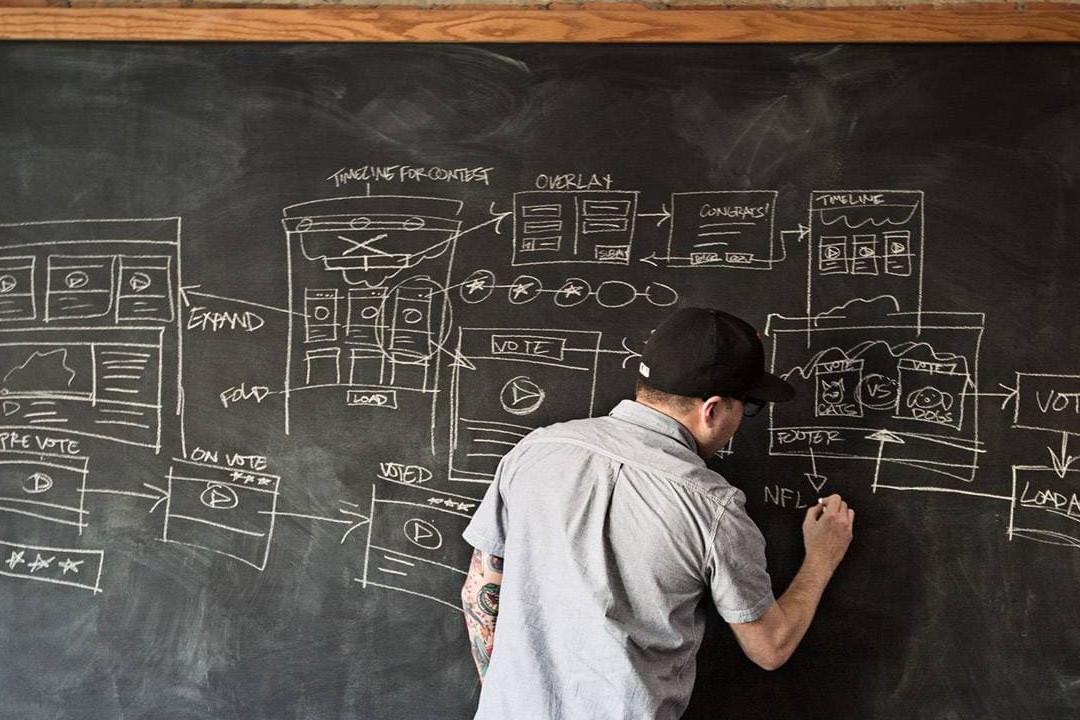


In 2026, too many businesses are still running digital campaigns without a clear roadmap. If you’re posting, emailing, or advertising without a defined plan, you’re not alone—but you are leaving performance on the table.
A well-structured digital strategy aligns your marketing activities with your business goals. It’s no longer optional—it’s the foundation for measurable growth, competitive edge, and sustainable ROI.
Step 1: Define a Clear Digital Strategy
Before diving into channels and content, define your strategic framework. A solid digital strategy will help you:
- Understand your opportunities in the online marketplace
- Segment and target your most valuable audiences
- Articulate your Online Value Proposition (OVP)
- Set clear, measurable online goals
- Develop audience personas that guide your content and campaigns
- Identify the key digital touchpoints that drive leads and conversions
Start with a dedicated strategy document to build internal alignment, then integrate it into your broader marketing plan.
Step 2: Map Out a Digital Roadmap
Digital success doesn’t happen by accident—it’s planned. A well-structured roadmap keeps your team aligned across short- and long-term goals.
Use a layered approach:
- Vision: Define your 12–24 month digital vision
- Annual Plan: Integrate digital across all marketing channels
- Quarterly Campaign Plans: Set clear campaign goals every 90 days
- Editorial Calendars: Schedule your content and media planning
- Daily/Weekly To-Dos: Break goals into actionable tasks
A clear roadmap ensures accountability, consistency, and adaptability in an ever-evolving digital environment.
Step 3: Prioritise Your Core Inbound Channels
Inbound channels continue to drive the lion’s share of digital ROI—but the tactics have evolved. In 2026, a mobile-first, content-fuelled approach is essential.
Focus your efforts on a mix of Paid, Owned, and Earned media:
- SEO + Content Marketing: Fuel organic growth with strategic, search-optimised content
- PPC (Google Ads, Microsoft Ads): Drive quick wins with tightly targeted paid campaigns
- Social Media + Influencer Partnerships: Boost reach and trust with authentic voices
- Email Marketing: Nurture leads and retain customers with smart, segmented automation
- Remarketing + Programmatic Ads: Re-engage visitors with personalised touchpoints
These channels remain the backbone of effective digital strategies—when managed with precision.
Step 4: Build Core Capabilities In-House (or Collaborate Strategically)
Digital is in the details. That means understanding your audience deeply and optimising every piece of creative, content, and campaign for relevance.
Some roles should stay close to your brand’s core team:
- Audience Insight: Know who your customers are and what drives them
- Content & Campaign Strategy: Ensure alignment with your brand goals
- Analytics & Optimisation: Continuously test and improve
A hybrid model (internal + agency) works well when there’s clear ownership and collaboration. The key is ensuring strategy doesn’t get lost in execution.
Step 5: Make Time for Planning, Testing & Evaluation
Great marketing is planned, not improvised. Invest time in analysis and iteration to improve results over time.
- Campaign Reviews: What worked? What didn’t? Document learnings.
- Optimisation Cycles: Regularly test messaging, offers, and creative
- Performance Analysis: Go beyond vanity metrics—focus on conversion and impact
- Content Outreach: Don’t just publish—promote. Build distribution into your strategy
Growth requires a mindset of ongoing refinement.
Step 6: Integrate Across Channels and Teams
Disjointed marketing is one of the biggest challenges today. Silos lead to inconsistent messaging, duplicated effort, and missed opportunities.
Break down barriers with integrated planning:
- Align your teams around shared customer personas
- Plan campaigns with all channels in mind from day one
- Balance spend across Paid, Owned, and Earned media
- Consolidate agency partners for consistency and efficiency
- Use multi-touch attribution to understand what’s really driving results
True integration leads to stronger campaigns and smarter decisions.
Step 7: Optimise Everything, Continuously
Digital leaders treat optimisation as a discipline, not a one-off task. In 2026, success comes from small, frequent experiments that unlock bigger wins over time.
- Run A/B and multivariate tests on your site and mobile experience
- Test ad creative, offers, calls-to-action, and landing pages
- Optimise your retargeting strategies across platforms
- Experiment with new formats—video, interactive, or personalised content
- Use structured hypothesis testing as part of a growth hacking mindset
The goal? Smarter marketing with higher return at every touchpoint.
Final Thought: Strategy Isn’t a One-Time Task
Developing a digital strategy isn’t a one-and-done process. It’s a living, evolving framework that guides your team, sharpens your focus, and delivers results. In 2026 and beyond, the brands that win will be the ones who commit to clarity, creativity, and continuous improvement.
Ready to Build a Smarter Digital Strategy?
Whether you’re starting from scratch or need to refine an existing approach, we’re here to help.
Let’s turn your ideas into action.